Fleet Management Basics: Keeping Your Rental Cars in Top Shape Year-Round
A breakdown or a dirty car at the wrong moment kills your reviews and your income. Here's a practical maintenance system for Turo and car rental hosts.
Your Cars Are Your Business
In the rental world, your vehicles aren't just assets — they're the product itself. A guest isn't renting your listing or your profile. They're renting a physical object that has to start reliably, smell clean, and drive smoothly. The moment it doesn't, you're getting a bad review at minimum and a dispute at worst. Fleet maintenance isn't just upkeep. It's revenue protection.
Build a Maintenance Calendar, Not Just a Reaction Plan
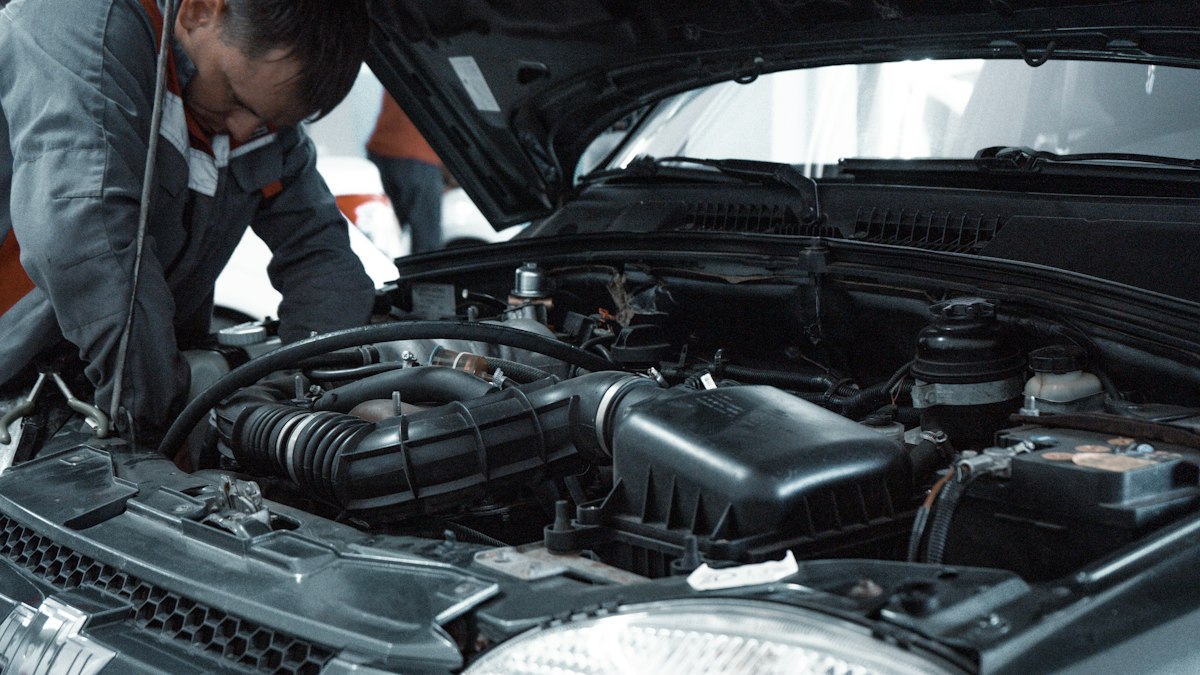
Reactive maintenance — fixing things when they break — is expensive and unpredictable. Proactive maintenance is the game. Every vehicle in your fleet should have a schedule: oil changes at X miles, tire rotation at Y miles, brake inspection every Z months. Put it in a calendar. Set reminders. When you have multiple vehicles, it's easy to lose track of where each one is in its maintenance cycle. A spreadsheet or a fleet management app is your friend here.
The Clean Car Standard
Your car should be spotlessly clean for every single guest. This is non-negotiable. Guests notice immediately if a car was "quickly wiped down" versus properly detailed. Vacuum the seats and floor, wipe all surfaces, clean the windows, and make it smell neutral (not like industrial cleaner). Between trips, do a thorough clean. After longer trips, do a full detail. A clean car communicates professionalism and care — it sets the tone for the guest's whole experience.
Tires: The Most Under-Appreciated Part of Fleet Safety
Worn tires are the single most common safety issue on rental fleets. Check tread depth regularly (the penny test works fine). Check tire pressure before every rental — under-inflated tires affect fuel economy, handling, and tire longevity. If a tire is getting close to minimum tread depth, replace it before a guest reports it or, worse, before a blowout. Tires are not where you want to cut corners on a vehicle being driven by strangers on unfamiliar roads.
Fluids That Need to Be Checked Regularly
Engine oil, coolant, brake fluid, power steering fluid, and windshield washer fluid. Most of these need to be topped off or changed on a regular cycle. For a fleet vehicle that's constantly being driven by different people at different speeds, staying on top of fluids is especially important. Make it a habit to check the basics every time the car comes back from a rental.
Document Every Maintenance Action
Keep a log for each vehicle. Date, mileage, what was done. This has multiple benefits: it helps you track cycles, it's useful if you ever sell the vehicle (a documented service history is worth real money), and it can be useful in disputes if a guest claims something was already broken before their trip.
When to Retire a Vehicle from Your Fleet
Not every car should be rented until it dies. As mileage climbs and repairs start stacking up, there's a point where a vehicle starts costing more than it earns. Know your cost-per-mile. If a car is generating $1,000/month in revenue but requires $800/month in maintenance and repairs, it's time to sell. The emotional attachment to a specific car shouldn't override the math.
Detailing vs. Regular Cleaning: Know the Difference
A regular clean handles day-to-day presentation. A professional detail — done every 3–6 months — handles the deeper grime that accumulates over time: embedded dirt in upholstery, buildup on door seals, paint contamination. Detailing also includes paint protection work that keeps your vehicle looking newer longer. For a vehicle earning rental income, the cost of a $150 detail every few months is easily justified by the impression it makes on guests and photos.
The Mechanical Gremlins to Watch For
Check engine light on? Address it immediately — don't rent the car until you know what it is. Unusual noises, hesitation on acceleration, steering that pulls to one side — these are signals to investigate before a guest experiences them. A guest who has a bad experience due to a mechanical issue you were aware of is in a very strong position for a refund claim. More importantly, it's a safety issue.
The monthly Turo-host playbook
One email a month: what changed on the platforms, what other operators are doing about it, and the occasional thing we learned the hard way. No sequences, no upsells.
Fleet and Turo-host tips, about once a month. No spam, unsubscribe anytime — see our privacy policy.